
Public financing and Capital Improvement Bond Programs can often appear complex, raising numerous questions among constituents. These programs play a crucial role in facilitating substantial public infrastructure projects that foster community growth. Today, we aim to simplify this topic by addressing the top five most frequently asked questions about capital improvement bond programs, shedding light on their funding, project selection, tax implications, and management practices.
1. What Exactly is a Capital Improvement Bond Program?
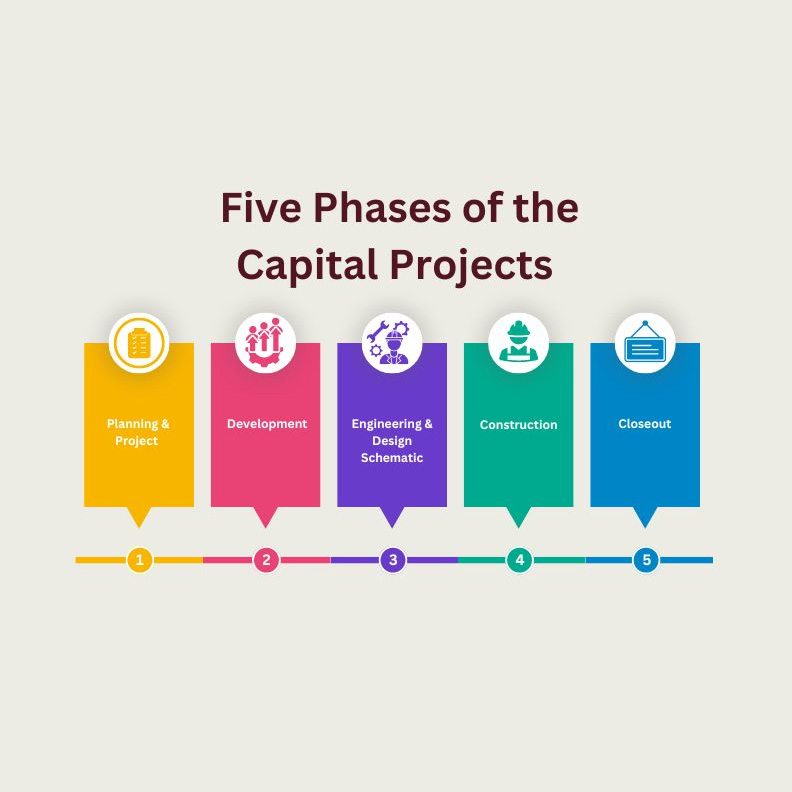
At its core, a Capital Improvement Bond Program is a financial strategy that propels communities forward. This type of program enables local governments to undertake significant public projects, the sort that leave an indelible mark on a community. From revitalizing aging bridges and highways to erecting new schools or parks, these programs promise transformation. They offer a pathway for localities to pursue substantial infrastructure development projects that would otherwise remain mere blueprints due to fiscal constraints. They embody a commitment to a community’s long-term growth and betterment, one that brings significant public projects from conceptualization to completion.
2. Where Does the Funding for a Capital Improvement Bond Program Come From?
Bonds, the lifelines of Capital Improvement Bond Programs, are financial instruments that function as agreements between investors and the local government. In simple terms, when a bond is issued and subsequently purchased by an investor, it signifies a mutual agreement: The government secures the needed capital for public projects, while the investor is guaranteed their money back with interest over the term of the bond. This exchange allows for critical public projects to be financed, while investors accrue interest over time. To repay these debts, governments draw from tax revenues and other income sources, ensuring a steady flow of repayment.
3. What Will be the Impact on My Taxes?
When it comes to understanding the impact on taxpayers, one must acknowledge that the consequences can vary. Indeed, there may be situations where an increase in taxes, predominantly property taxes, becomes necessary to service the bond debt. However, there are just as many cases where existing tax revenues or other income streams suffice, eliminating the need for a direct tax increase. Balancing these fiscal elements requires precision. Hence, before bonds are issued, in-depth financial analyses are undertaken to assess potential tax ramifications and devise strategies to offset any excessive tax burden on constituents.
4. Which Projects Will Benefit from the Capital Improvement Bond Program?
The recipients of funding through capital improvement bond programs are usually projects that hold the promise of substantial, long-term benefits for the community. These might include the construction or renovation of public buildings, expansion of transportation infrastructure, improvement of utility systems, or the creation of new recreational facilities. The selection process of which projects receive funding is a carefully considered decision, taking into account the unique needs of the community, local government policies, public opinion, and overarching strategic growth plans. Ultimately, the goal is to choose projects that bring the most value and align best with the community’s vision for the future.
5. How Will These Projects and Finances be Managed?
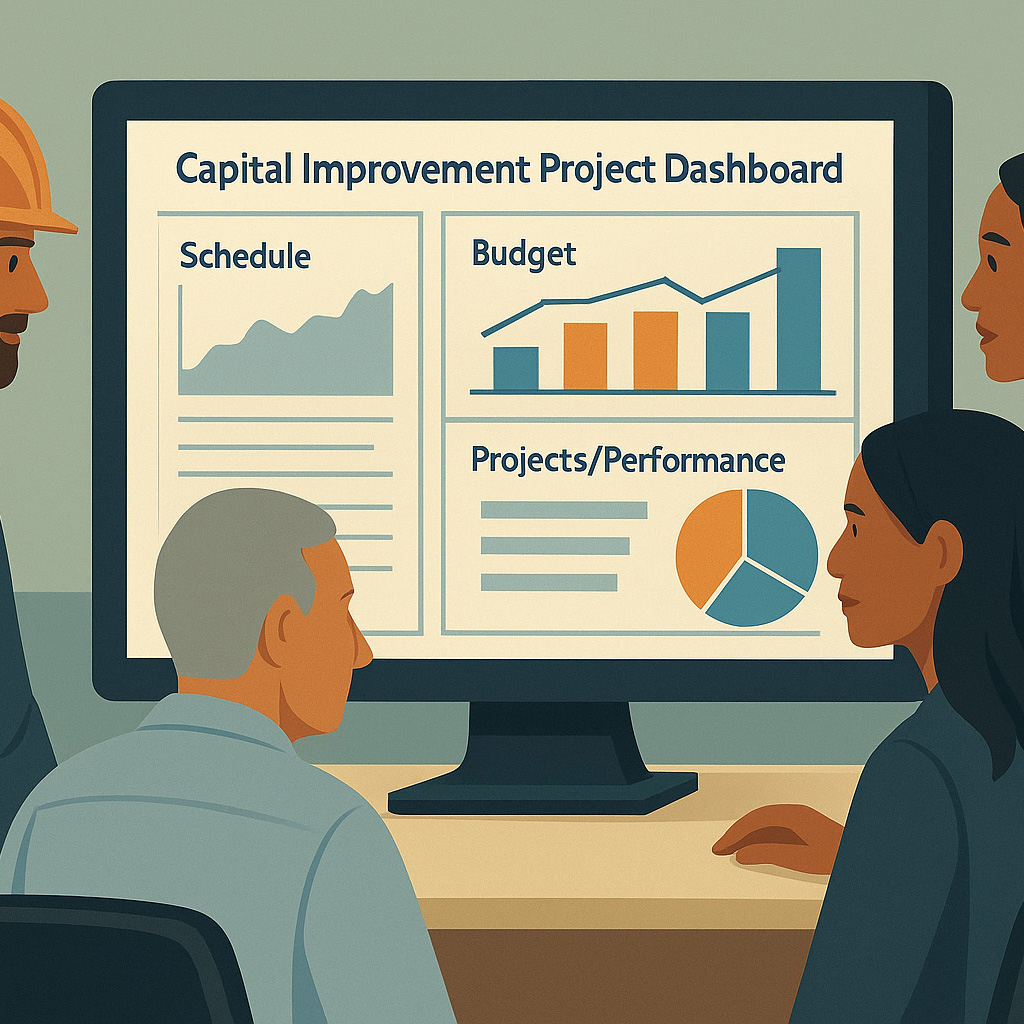
The management of these bond programs involves a meticulously designed system of oversight. A combination of designated project managers, financial officers, and oversight committees, often including independent members, are appointed by local governments. Their collective duty is to ensure the responsible and efficient use of funds. Like an intricate dance, they monitor the implementation of the projects, produce regular reports detailing progress and financial expenditure, and make them available to the public. Additionally, in many cases, external audits are mandated to provide an objective examination of the program’s financial and operational management, fostering an environment of transparency, accountability, and discouragement of financial mismanagement.
This further exploration of capital improvement bond programs should provide constituents with an even more comprehensive understanding. It highlights the financing mechanisms, potential impacts on taxpayers, project selection processes, and rigorous management practices inherent in these programs, ensuring their effective execution and meaningful contributions to community development.
At Front Line Advisory Group, we are pioneers in Capital Improvement Bond Management, leveraging unparalleled expertise and deep industry insights. Our mission extends beyond consultation – we empower our clients to realize the full potential of their investments, ensuring tax dollars are put to maximum use through astute Program Management Consulting. For more information or to commence your journey towards transformative bond management, reach out to us at info@frontlineadvisorygroup.com.