Learning from the Trenches: Rescuing Troubled Capital Improvement Bond Programs
Capital Improvement Bond Programs (CIBPs) play a pivotal role in transforming communities by funding large-scale infrastructure projects like roads, schools, and water treatment facilities. Yet, these ambitious endeavors often face daunting challenges: budget overruns, delays, and stakeholder dissatisfaction. The stakes are high, and the margin for error is slim. However, with the right strategies and a proactive mindset, even the most troubled bond programs can be steered back on track.
Understanding the Root Causes
Before devising solutions, it is essential to identify the underlying causes of budget overruns and delays. Common culprits include:
- Inaccurate Cost Estimation: Initial budgets often underestimate actual expenses due to incomplete scopes or volatile market conditions.
- Scope Creep: Uncontrolled changes or additions to project scope inflate costs and timelines.
- Poor Communication: Misaligned goals and delayed information flow between stakeholders derail progress.
- Regulatory and Environmental Hurdles: Unforeseen legal or environmental challenges can bring projects to a standstill.
- Economic Shifts: Fluctuations in labor costs, material prices, and funding availability compound issues.
Actionable Strategies for Rescuing Troubled Programs
1. Conduct a Comprehensive Program Audit
A thorough assessment of the program’s current state is the first step toward recovery. This includes:
- Financial Review: Compare actual expenditures against the initial budget to pinpoint cost overruns.
- Schedule Analysis: Identify critical delays and assess their root causes.
- Stakeholder Engagement: Collect feedback from all parties to understand misalignments and grievances.
Case Study: In 2021, a large-scale highway expansion project in Texas faced significant delays due to material shortages. A detailed audit revealed inefficiencies in procurement processes. By renegotiating supplier contracts and prioritizing key materials, the project regained momentum, saving $2 million.
2. Re-Prioritize and Phase Projects
When funding is tight, prioritizing high-impact projects is essential. Break larger programs into manageable phases, focusing on immediate needs while deferring non-critical components.
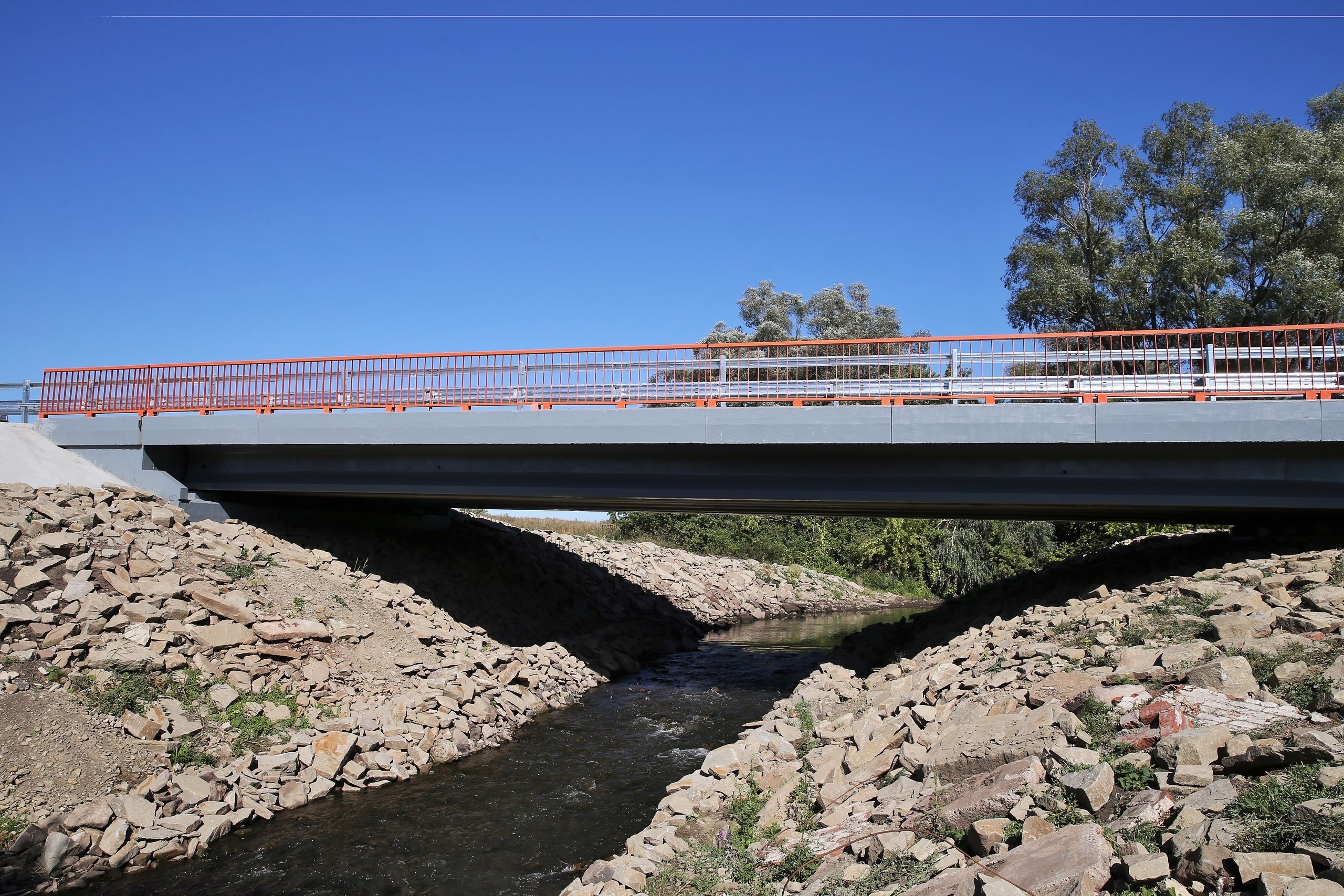
Example: A municipal bridge project in California adopted a phased approach by completing structural reinforcements first and deferring aesthetic upgrades. This ensured public safety while aligning with budget constraints.
3. Leverage Value Engineering
Value engineering involves re-evaluating project designs to identify cost-saving opportunities without compromising quality or functionality. This may include:
- Simplifying designs
- Substituting materials
- Streamlining construction techniques
Case Study: A school renovation project in New York saved $1.5 million by switching to pre-fabricated materials and optimizing construction schedules.
4. Invest in Program Management Software
Cloud-based tools provide real-time insights into budgets, schedules, and resource allocation. These platforms enhance collaboration, flag risks early, and ensure accountability.
Example: A water treatment facility in Arizona used a cloud-based platform to track progress and manage contracts. This transparency reduced delays caused by miscommunication and eliminated duplicate efforts.
5. Strengthen Risk Management
Proactive risk management can prevent minor setbacks from snowballing into major crises. Establish a risk registry to:
- Document potential risks
- Assign mitigation strategies
- Monitor risk levels continuously
Case Study: During a city-wide CIP in Florida, a risk management framework helped identify and address supply chain disruptions, averting a $5 million overrun.
6. Enhance Communication and Transparency
Regular updates and open communication channels are critical for maintaining stakeholder trust. Use dashboards, town halls, and progress reports to keep everyone informed.
Example: A bond-funded transit project in Seattle built trust with constituents by hosting monthly webinars and publishing real-time progress dashboards. Public support increased, even amid minor delays.
7. Engage External Expertise
Sometimes, an external perspective can uncover overlooked solutions. Hiring a Program Management Consultant (PMC) can:
- Bring specialized expertise
- Streamline processes
- Rebuild stakeholder confidence
Case Study: A troubled CIP in Illinois turned to a PMC, who restructured workflows and renegotiated vendor contracts. Within six months, the program was back on track, meeting 90% of its original timeline.
The Power of Learning and Adapting
Rescuing a troubled bond program is not just about immediate fixes; it’s an opportunity to learn and implement best practices for future success. Post-project evaluations should:
- Document lessons learned
- Refine cost estimation techniques
- Develop more robust contingency plans
Conclusion
While challenges in Capital Improvement Bond Programs are inevitable, they are far from insurmountable. By embracing proactive strategies such as audits, value engineering, and robust communication, stakeholders can navigate complexities and deliver impactful results. Ultimately, the success of these programs lies in their ability to adapt, innovate, and stay focused on the community’s long-term needs.
At Front Line Advisory Group, we are pioneers in Capital Improvement Bond Management, leveraging unparalleled expertise and deep industry insights. Our mission extends beyond consultation – we empower our clients to realize the full potential of their investments, ensuring tax dollars are put to maximum use through astute Program Management Consulting. For more information or to commence your journey towards transformative bond management, reach out to us at info@frontlineadvisorygroup.com