
“Give me six hours to chop down a tree and I will spend the first four sharpening the axe.”
— Abraham Lincoln
GRANBURY, Texas — Hood County officials are advancing a transportation package that could reshape how residents move across the county for decades to come. After adopting a Master Thoroughfare Plan in March, commissioners are evaluating a slate of 11 road projects—from spot fixes on U.S. 377 to new links across the Brazos—funded by a bond proposal sized at roughly $717 million for a November 2025 election.
The package blends four “on-system” projects—those on the state network overseen by TxDOT—with seven “off-system” projects managed locally, a structure intended to pair state participation on major corridors with county-led upgrades where neighborhood circulation and emergency access are at stake.
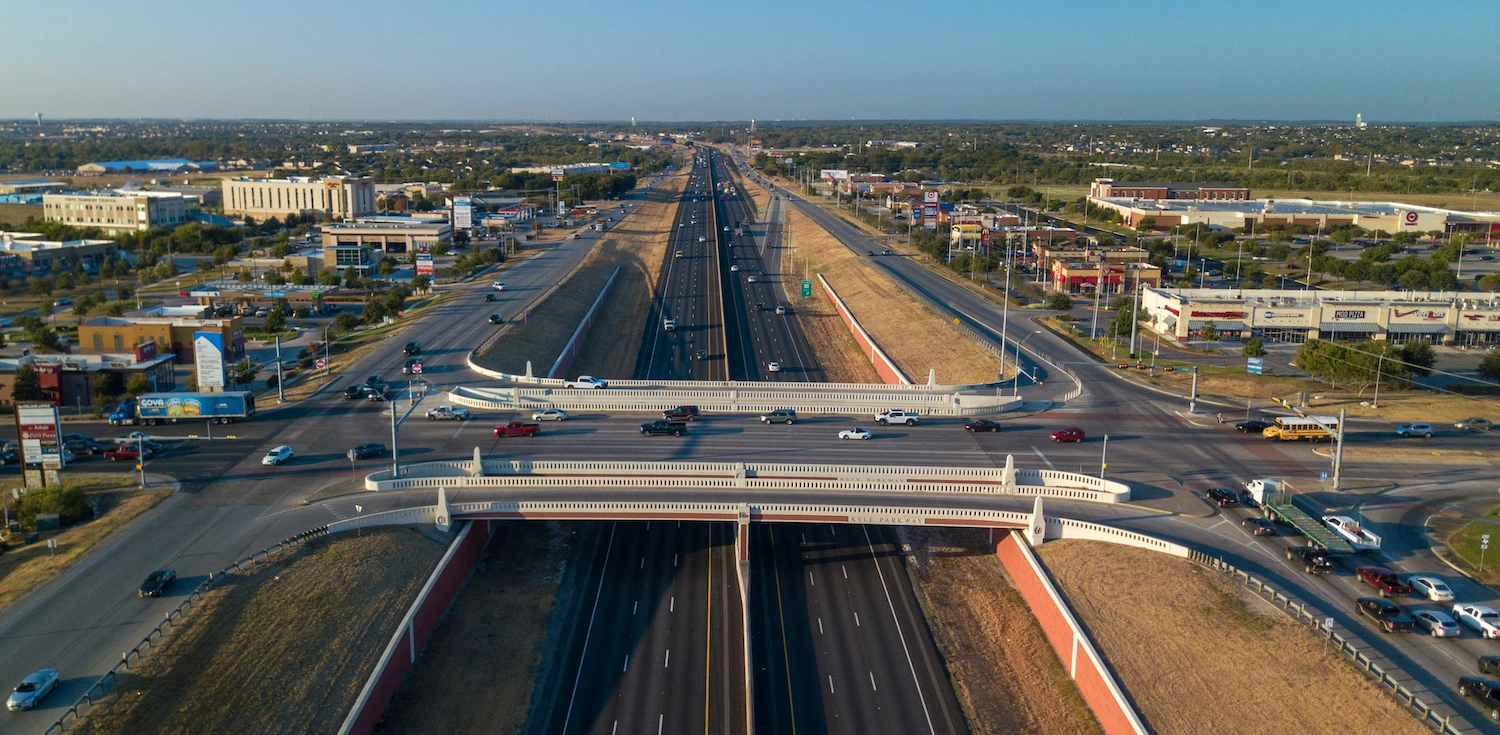
At the top of the list: intersection fixes along U.S. 377 between Granbury and Tolar to ease recurring bottlenecks; a Tolar Bypass to pull through-traffic off the mainline; and a Loop 567 extension to SH-144 to complete a ring for local distribution. A proposed relief route for FM 167 (Fall Creek) would straighten curves and, if approved by TxDOT, redesignate the new alignment as FM 167 while converting the existing path to a local roadway.
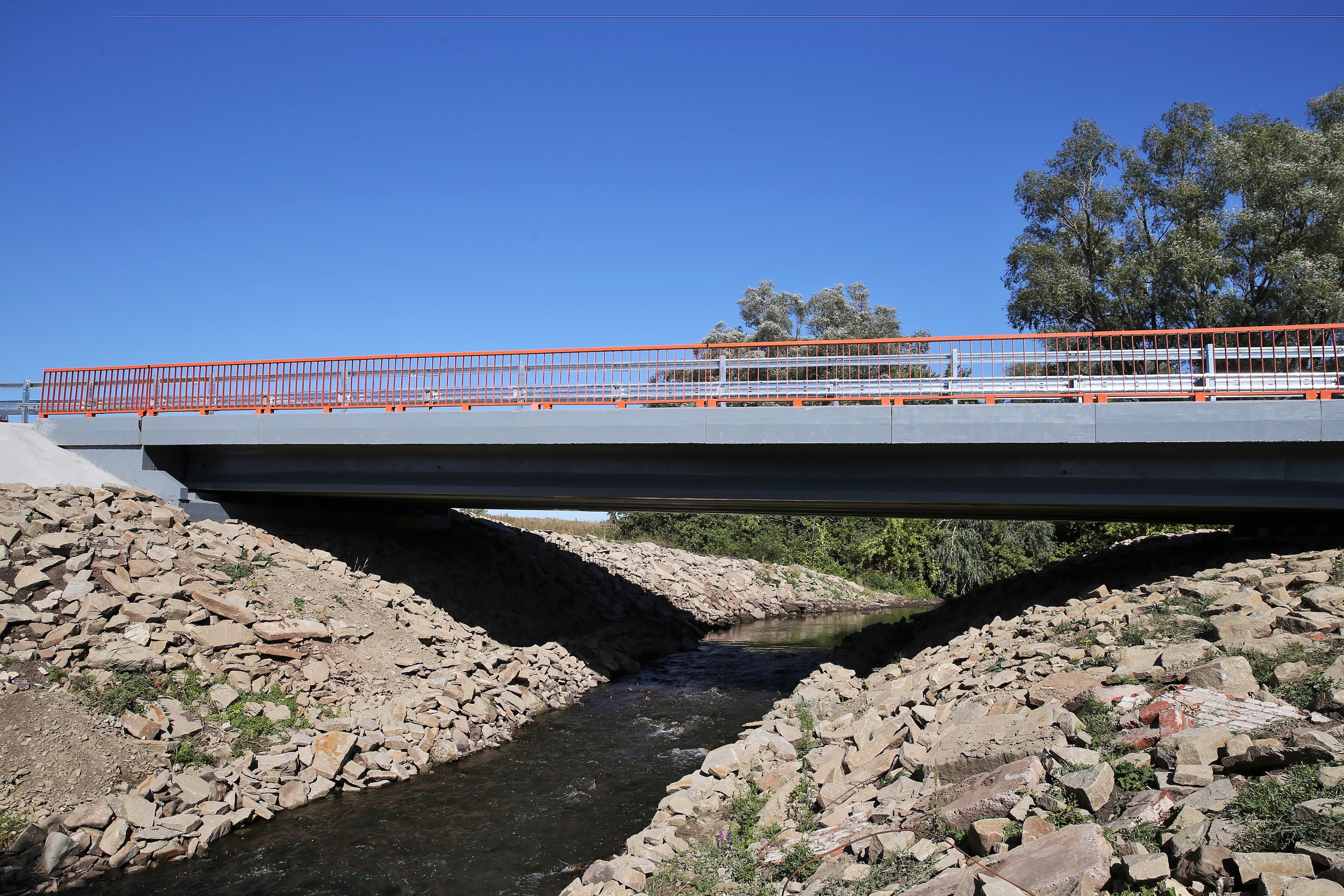
Beyond the state system, the most consequential bets lie in local links that fail under stress. Strouds Creek connectivity seeks to end the isolation of a neighborhood cut off during floods by building a bridge or culvert; the Mitchell Bend Highway extension adds a Brazos River crossing to reconnect the southeast; and a widening of Old Granbury Road, paired with Meander Road rehabilitation and a fix at Portal Drive’s rail crossing, targets everyday choke points that residents know by feel, not by map.
It’s a familiar puzzle in fast-growing counties: growth arrives block by block, but money lands in lumpy increments. The master plan offers a long view; the bond offers a shot of capital; the schedule will be decided by what is ready first—right-of-way, utilities, environmental clearance, and TxDOT timing. That “invisible work” will determine whether the early wins arrive in year two or slip to year five. For voters, the numbers will dominate headlines; for delivery, sequencing will decide outcomes.
Five Things to Get Right Before the Ballot
1) Define a Minimum Viable Program—and say what comes later.
Publish a Phase‑1 bundle that can be substantially delivered within 36–48 months of the first issuance: a targeted mix of one or two U.S. 377 projects, the Loop 567 connection, and one or two high‑impact neighborhood links (for example, Strouds Creek and a Portal Drive safety fix). Make Phase‑2 explicit, contingent on right‑of‑way, utilities, TxDOT concurrence, and external awards. This anchors expectations and protects the tax rate.
2) Show the cash flow—don’t just cite totals.
Put a monthly cash‑flow curve in front of the public: bond authorization versus issuance tranches, assumed TxDOT cost share on on‑system work, and timing for competitive dollars where applicable. Tie each tranche to a letting window and a notice‑to‑proceed date to demonstrate how dollars turn into crews on the ground.
3) Front‑load the hardest work: ROW, utilities, environmental.
For each Phase‑1 project, publish a Readiness Index (survey complete, title cleared, utility conflicts mapped, environmental milestones sequenced). Residents are patient with construction they can see; they lose patience with silence while paperwork lingers. Treat utility relocation like a critical‑path activity from day one.
4) Bundle wisely, buy quickly, govern tightly.
Package off‑system corridors to capture design and review economies, and issue RFQs by tranche with locked reporting requirements (earned value, contingency burn, schedule variance). Stand up a Program Management Office with change‑order guardrails and public dashboards. The worst overruns begin with fuzzy scope and delayed reporting; fix both upfront.
5) Make benefits concrete and construction survivable.
Translate each project into plain‑English outcomes—minutes saved at peak, crashes reduced near schools, a second route out during floods. Publish staging maps for business access and emergency response. Voters do not buy $717 million; they buy time, safety, and reliability.
What’s in the Package
- U.S. 377 intersection improvements (Campbell, Billings, Knox, Meadow Wood): targeted capacity at known choke points.
- U.S. 377 Tolar Bypass: two lanes to siphon through‑traffic around town.
- Loop 567 extension to SH‑144: completes the ring for distribution.
- FM‑167 (Fall Creek) relief route: safety and capacity; TxDOT would redesignate if built.
- Strouds Creek connectivity: a flood‑resilient crossing to end neighborhood isolation.
- Mitchell Bend Highway and Brazos River bridge: new span to reconnect the southeast of the county.
- Old Granbury/Meander/Portal corridor work: everyday fixes with outsized impact.
Bottom Line
The dollars are large. The risks are bigger if sequencing lags. Hood County can set the tone by phasing to readiness, publishing the math, and owning the invisible work in public. If the County does that, the road program becomes legible to voters—and manageable for staff—before the first cone is set.
Front Line Advisory Group (FLAG) is a Program Management Consulting (PMC) firm focused on delivering bond-funded infrastructure projects on time and on budget through disciplined management and data-driven controls. Our mission extends beyond consultation – we empower our clients to realize the full potential of their investments, ensuring tax dollars are put to maximum use through astute Program Management Consulting. For more information or to commence your journey towards transformative bond management, reach out to us at Info FLAG